Opportunity to really decarbonise concrete

I did a presentation at the Concrete Bridge Development Group annual conference yesterday on my current pet subject “Decarbonising concrete – are low carbon concretes the solution or part of the problem”. It seemed to go down pretty well.

I am reproducing the associated paper here to hopefully start a discussion on the use of the concept of opportunity carbon cost. This is Part 1 which explains why high levels of slag addition in concrete is actually increasing carbon emissions and proposes a methodology for calculating embodied carbon which could rectify this waste of a valuable resource. Part 2, which will be posted later, looks at measures that could be implemented to reduce embodied carbon contents of concrete.


The drive to use low carbon concrete is gathering pace. New products are coming to market. Clients are demanding more sustainable projects. The proposed Lower Thames Crossing is leading the way in this aspiration, with National Highways designating it a ‘pathfinder’ project that will explore carbon neutral construction as part of its efforts to make the new crossing the greenest road ever built in the UK . Guidance on how to reduce carbon emissions in concrete has recently been published by ICE and the Green Construction Board , which includes a benchmarking system, similar to that found on domestic electrical appliances (Figure 1), which aims to encourage clients and engineers to reduce carbon contents.
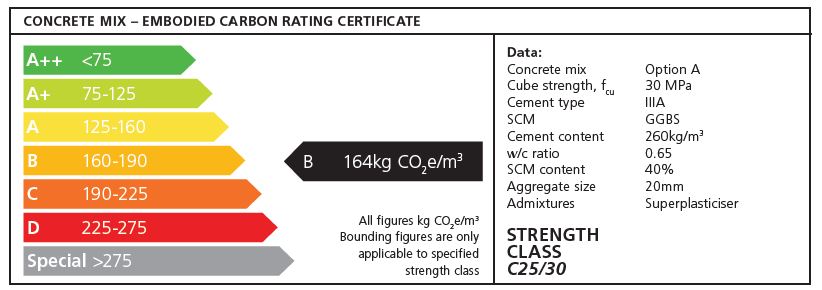
Figure 1: Benchmarking system proposed in LCCG Routemap

MPA Fact Sheet 18 provides emissions data on UK cements and supplementary cementitious materials. Due to the very low embodied carbon content of supplementary cementitious materials (SCM) like fly ash and ground granulated blastfurnace slag (ggbs) relative to CEM I, it can be easily demonstrated that partial replacement of CEM I by a SCM will reduce the carbon content of concrete. Increasing the percentage of SCM will reduce early age strengths but increase later age so it is most efficient, economic and sustainable to specify these mixes with compliance ages for characteristic strength at 56 or even 90 days instead of the usual 28 days. Even allowing for increases in total cementitious content to maintain 28 day strengths, the embodied carbon content of the concrete will be lower with high levels of SCM (see Table 1).
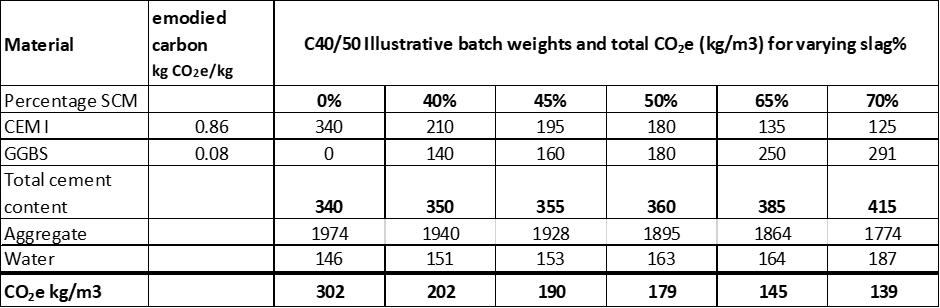
Table 1:Illustrative embodied carbon for a C40/50 concrete with a range of slag additions

Note:
The batch weights shown in this table are indicative and have been derived from a combination of actual mix designs used on current projects on which the author is involved, some laboratory test data and some engineering judgement.

There are many factors to consider when developing mix designs, but the data in Table 1 illustrates that despite increasing cementitious content by over 20% to maintain 28 day strengths, the carbon content has still been reduced by over 50%.

The use of high levels of slag would seem to be the obvious solution for improving the sustainability of concrete. While there are many advantages to using very high slag contents there are also some significant disadvantages. High slag contents offer durability improvements (particularly in chloride and sulfate resistance) and in reducing the early-age heat of hydration and the consequential risk of thermal cracking. However, the slow rate of hydration also reduces the early-age strength of the concrete which can delay formwork removal times significantly and lead to longer construction programmes. For this reason, high levels of slag are not suited in particularly to the precast industry, which relies on rapid turnaround of formwork. These considerations may impact the level of slag specified in concrete.

  • Reduce risk of alkali-silica reaction: BS 8500-2 Table 1 states that the alkali content of slag need not be considered in the calculations if it constitutes not less than 40% of the total cementitious content; 50% of the alkali content should be included in the calculations if slag content is between 25 and 39% and 100% if slag content is less than 25%.
  • As the percentage slag increases, the heat of hydration is reduced but so is the rate of strength gain. General purpose type cements usually have addition levels of 40-55% to ensure the setting time is within reasonable limits to allow finishing to be completed before the end of the day, or formwork to be stripped relatively quickly. Higher levels of slag addition are adopted for large pours where heat is a critical design issue.
  • Sulfate resistance of concrete increases with the level of slag addition. BS 8500-1 Table defines the requirements for concrete to meet a range of sulfate ground conditions. All classes, except the most onerous (DC-4m) can be met using a CEM III/A slag cement (36-65% addition level). DC-4m class requires CEM III/B (66-80%).
  • Many precast operations prefer not to use slag due to the extended formwork removal time or if required for durability enhancements, will adopt the lowest level possible (e.g. 36% if CEM III/A is required)
  • There are many other durability advantages (e.g. Delayed Ettringite Formation and chloride migration resistance) which can influence the slag addition level.

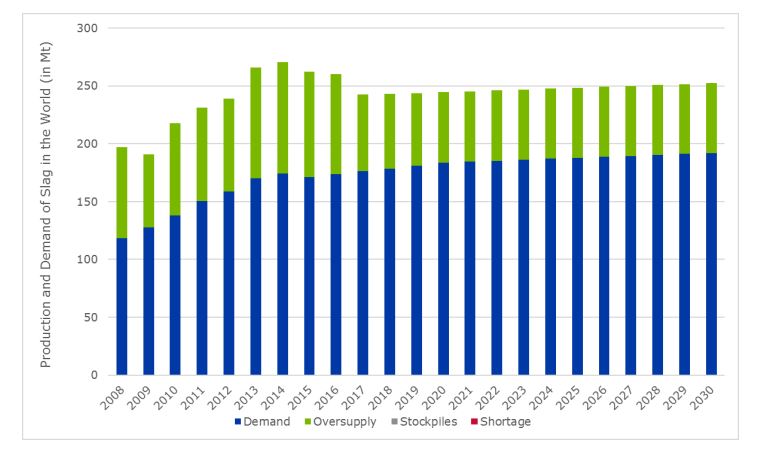
Unfortunately, there is a recognised shortage of supply of slag and the situation is deteriorating as the manufacturing of steel from iron ore is switching from blastfurnace to the less energy intensive electric arc furnaces. From a UK perspective there is very little fly ash available and slag is increasingly being imported from around the globe (e.g. from Spain and even Japan). Global cement production is around 4.1 billion tonnes per annum, which the Global Cement and Concrete Association estimate to equate 14 billion cubic metres of concrete. Annual slag production is 250mT of which around 170mT is ground into a cementitious material (the remainder is allowed to air-dry to form a lightweight aggregate). Increased grinding could see slag levels at around 200million tonnes/year. There is plenty of anecdotal evidence that slag shortages are impacting the market. In the past few weeks the author has spoken to or been informed that:

  • A flooring contractor has been advised that slag will not be available in the summer by their concrete supplier.
  • A bagged cementitious product supplier is reformulating their mixes to eliminate materials in short supply
  • A ready mixed concrete supplier is only producing mixes with slag when required for technical reasons (e.g. sulfate ground conditions) .

The use of low carbon concrete is actually increasing global CO2 emissions.

The situation with fly ash is different in so much there is unused production. A report commissioned by the Department for Business, Energy and Industrial Strategy (BEIS) identifies that there are larger volumes of fly ash available (circa 600mT with approximately 200mT used). However, most of this fly ash is in China, India and the US.

With 14 billion m3 of concrete produced annually and say 200mT of slag available we can theoretically add a meagre 14kg of slag to each cubic metre of concrete. At such a low addition rate, none of the performance advantages of slag would be realised. If we assume the average cement content for CEM I is 275kg/m3 then 14kg is only 5%, which is so ow that the material would still class as CEM I according to EN 196. If 40% slag was used, there would be a small increase in total cement content to maintain the characteristic strength at 28 days compared to a concrete made with 100% CEM I and there would be sufficient slag to produce 1766 million m3 while the remaining 12234 million m3 (see Table 2) would need to be produced with CEM I (as all the slag has been used). Using these volumes to calculate CO2e and just considering cement for simplicity, gives some interesting results.
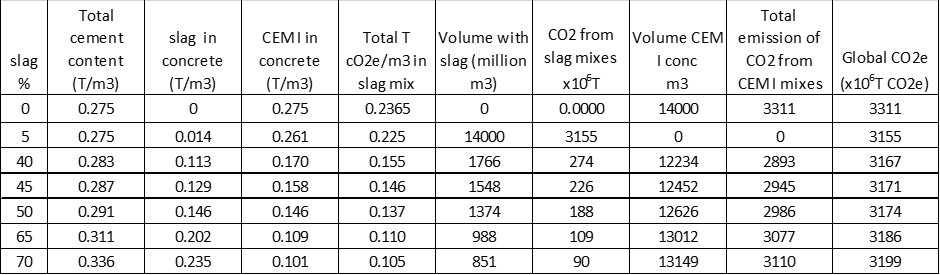
Table 2: Global CO2e emissions for varying rates of slag addition

As illustrated in Table 2, the maximum CO2e emissions occur when 100% CEM I is used. However, as the percentage of slag content is increased (i.e. lower levels of carbon in the concrete), the level of global CO2 emissions increases (Figure 3). The use of low carbon concrete is actually increasing global CO2 emissions.

Figure 2: Chart illustrating increased CO2 emissions with increasing slag content

The industry’s current addiction to high levels of slag is causing all sorts of problems:

  • It is causing supply chain issues
  • Costs are increasing
  • Extended setting times are causing problems for contractors on site
  • Is undermining the precast industry
  • Construction programmes are being extended
  • Innovation in alternative SCMs is being stifled

It could be argued, that these problems are acceptable if it means we are helping tackle the climate crisis but to impose them to effectively increase global CO2 emissions is frankly perverse. The situation is made worse when alkali-activated cementitious materials (AACM) with even higher levels of slag are used. The LCCG Benchmarking system (figure 1) will exacerbate these problems because the only real way to move towards A++ is to use high levels of slag. The Routemap does caution about the global emission problem but still sees using high levels of slag as the short term solution.

A completely different picture of the carbon situation emerges if the impact of this shortage of slag is taken into account in carbon calculations. If concrete mixes are produced with additional slag content over and above that necessary for efficient design, then somewhere in the world, concrete will by necessity need to be used without slag. Economists are well versed in accounting for resource scarcity through the use of opportunity costs, which can be defined as the potential benefit given up by choosing one option over another. The same principal applies to slag in concrete. There is a shortage of these materials so if used in one concrete it is unavailable for another. This would be a neutral effect, if slag was simply preferentially used on one site instead of another except the trend is to use slag in larger and larger quantities to produce “ultra low carbon concrete” leading to significant opportunity carbon costs.

The analysis in Table 2 shows that the optimum level of slag addition for purely sustainability reasons is very low, providing this low amount is used in all concrete. In practice this is never going to occur and it would waste the undoubted performance benefits of slag in concrete but the general principle that lower slag contents will reduce global CO2e should be observed.
A benchmark level for the addition of slag needs to be defined. I have selected 40%because this will produce a good general purpose cement, able to provide an effective alternative to CEM I. This level should be sufficient for much of the performance benefit from using slag to be realised but should be low enough to ensure that the limited valuable resource is not over used in a false pursuit of low carbon concrete.

The difference between the slag content used and the slag content at the benchmark is the basis for determining the opportunity carbon cost. As an example, C40/50 concrete could be produced with a blend of 40:60 slag:CEM I or 70:30. As illustrated in Table 1, the total amount of slag used in the two mixes could be 290kg (at 70% slag) instead of 140kg (at 40% slag). There is clearly a lost opportunity for the 150kg difference which is now not available for use in other concrete. This other concrete will still be produced, the difference will be that it will use CEM I in lieu of 40% slag (the aggregates, the 60% of the total cement content which is CEM I, mixing, haulage etc will be required whether slag or CEM I is used). Since concrete with slag requires a higher cement content to achieve the same characteristic strength, then the 151kg should be factored to acknowledge the CEM I mix will have a lower total cement content. Assume a typical difference of 3-5%, a factor of 0.95 has been applied to give a value of 143kg for the additional CEM I required producing an opportunity carbon cost (oppCO2e) of 123kg CO2e. Adding the oppCO2e to the calculated CO2e of the mix of 139kg gives a total CO2e (totCO2e) of 262kg in the higher slag content mix (see Table 3).

Table 3: Revised CO2e taking account of opportunity carbon cost

Accounting for opportunity carbon has made the 40% option the most sustainable. This may not always be the case, as illustrated in Table 4, when a lower strength concrete and a DC-3 classification for sulfate resistance (see BS 8500) which brings in requirements for minimum cement contents and maximum water cement ratios.

Table 4:  Embodied carbon content of C30/37 with DC-3 sulfate resistance with varying slag content

From these examples it can be seen that the use of opportunity carbon can reorientate the calculation of embodied carbon, such that using high levels is not the sustainable solution. However, a careful balance needs to be struck as the desired outcome of the inclusion of oppCO2e is to use ggbs effectively, not switch all production to CEM I.

Fly ash does not have the same problem as slag because as stated previously there are excess quantities of the material available, and its wider use should be encouraged.  Furthermore, it tends to be used in a small addition range, typically 25-35% and is not used in large quantities just for low carbon objectives. and therefore no opportunity carbon cost should be levied on fly ash.  Likewise at this stage the same is true for other potential SCM like limestone fines, calcined clay, EMC, conditioned fly ash etc. 
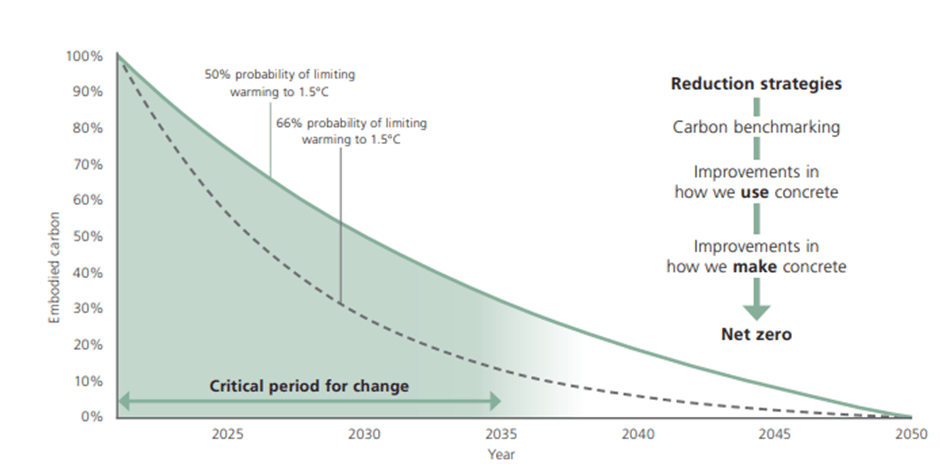
Figure 3: Idealised curve for carbon reduction2

The LCCG Routemap contains the chart reproduced in Figure 3, which shows the critical period for addressing climate change is in the next 15 years.  Sadly, because high slag concretes are perceived as providing low carbon concrete and they can be acquired if the purchaser is willing to pay enough, these products are being wasted in a misguided attempt to address climate change.  Instead of trying to find ways of adding increasing quantities of slag to concrete , the industry should be looking to accelerate SCMs like calcined clay and EMF to market  By using these materials, real CO2 reduction is possible, but the wasteful use of slag to produce “low carbon concrete” that isn’t, is effectively kicking into the long-grass investment in these alternative SCM that could make a real difference.  If we wait for the time slag becomes unaffordable or unavailable to tackle our addiction it will be too late.
The Emperor has no clothes

Well yesterday’s post certainly stimulated some debate on LinkedIn and I was feeling a little like the boy in Hans Christian Andersen’s Fable about the emperor’s clothes. I was labelled as ignorant, wrong-headed and uninformed but then somebody sent me a link to a presentation given by Karen Scrivener and it was reassuring to know I was not alone in my thoughts. For those of you who don’t know Karen, her Wikipedia page describes her as follows:

Karen Louise Scrivener is a material chemist known for her pioneering works in cementitious materials. She is the head of Laboratory of Construction Materials at Ecole Polytechnique Fédérale de Lausanne and served as the Editor-in Chief of the Cement and Concrete Research journal for 15 years.

Wikipedia (16/12/21)

I doubt very much whether the same adjectives will be applied to Karen but the message she gives is very similar to mine.

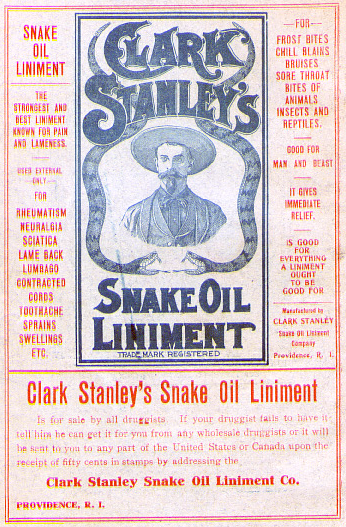
Are low carbon concretes modern day snake oil?

I’ve been thinking about sustainability and specifying concrete a lot recently (yes I know I need to get out more!), particularly low carbon concrete and my increasingly strengthening opinion is that we’ve got it badly wrong.  I’ve been reviewing the draft Low Carbon Concrete Routemap, prepared by Green Construction Board’s Low Carbon Concrete Group (LCCG) and while it contains many good points and highlights my major concern, which I will come to shortly, it’s proposed solution will make matters worse (in my humble opinion) by increasing global CO2 emissions.

I fear that many low carbon concretes, geopolymers and alkali-activated cementitious materials are modern day snake oil, marketed to be the ultimate in environmentally friendly products but in fact are an expensive way to make matters worse.

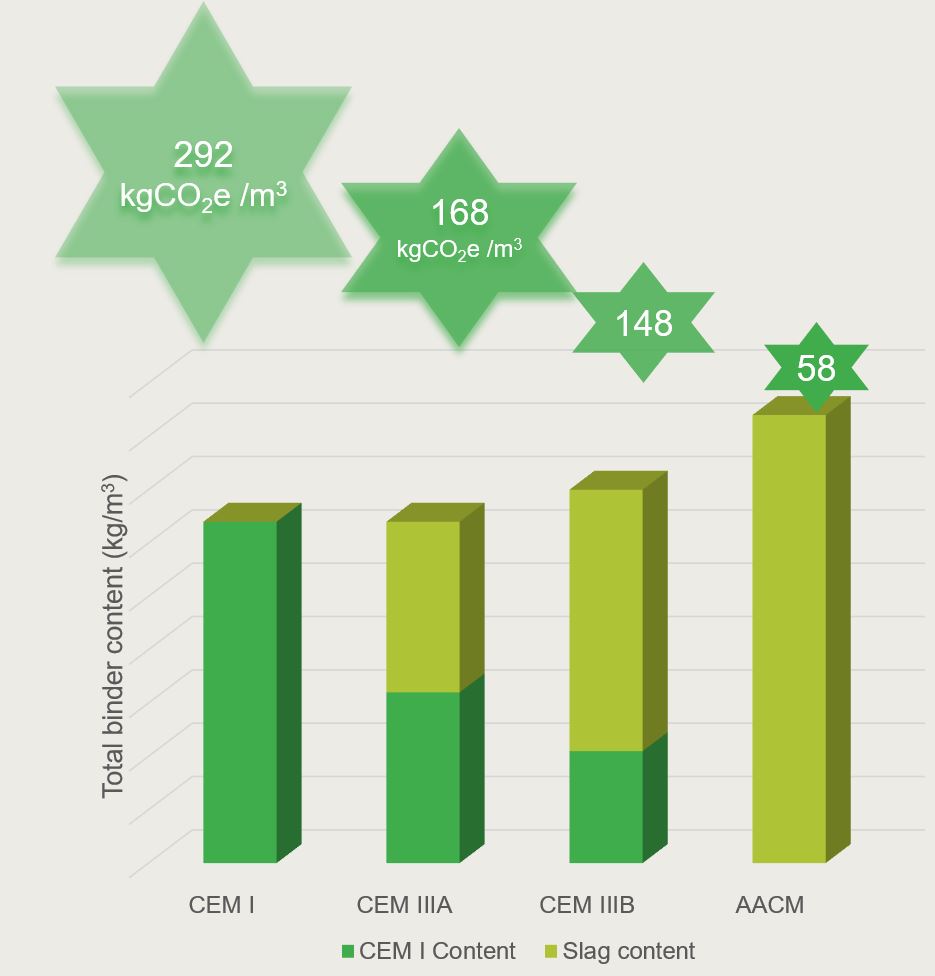
We are used to specifying concrete with supplementary cementitious materials (SCM) like ground granulated blastfurnace slag (a by-product from steel production) or fly ash (from burning coal to generate electricity).  As these materials are effectively waste products generated from other processes, they have very low embedded carbon contents and therefore when blended with CEM I, to produce CEM III/A (typically 40-50% slag), CEM III/B (typically 70% slag), CEM II/B-V (typically 30% fly ash) or an alkali-activated cementitious material (up to 100% slag), they significantly reduce the carbon content of concrete as illustrated below for a C32/40.

When concrete is made using slag in a CEM III/A cement, it is generally produced with the same cement content as a concrete using only CEM I. If the slag content is increased to 70%, then to achieve the same 28 day strength the concrete needs a slightly higher total cement content (approximately a 10-15%) to compensate for the slower strength gain from slag cements (unless it is possible to specify a 56 or 90 day compliance age). Alkali activated cementitious materials using over 90% slag often need a significant increase in binder content to maintain an equivalent strength (25-35%). However, due to the low embodied carbon attributed to the slag compared to CEM I, then significant reductions in carbon are achieved despite the increase in binder contents.

So all is well and good. We could save 110 kgCO2e/m3 by switching from CEM III/A to AACM and we will be taking our DJs and posh frocks to the dry cleaners in preparation for the sustainability awards we’re bound to win. But wait, is that a butterfly I hear flapping its wings in the Amazon, is there about to be a tornado in Texas? Chaos theory tells us everything is linked and a small change in one part of the system can lead to significant changes elsewhere. Similarly, climate change is not a UK issue, it’s a global issue and we must think globally.

Annual global cement production is around 4.1 billion tonnes, which according to Global Cement will make approximately 10.1 billion m3 of concrete. To switch all CEM I to the environmentally friendly CEM III/A, we would need around 2.0 billion tonnes of slag. To convert all to AACM would require 5.4 billion tonnes of slag. The Department for Business, Energy and Industrial Strategy (BEIS) commissioned a report to look into the availability of fly ash and slag for cement manufacturing. The BEIS Technical Report 19 concludes that there is a global surplus of slag (see figure below). However, there are a number of assumptions in this data, the most significant being a factor of 4 is applied to account for the fact slag application is relatively high in the UK compared to the rest of the world. There also does not appear to be a separation of slag used for cementitious purposes and slag used as aggregate.

The BEIS report identifies that there are larger volumes of fly ash available (circa 600mT with approximately 200mT used). However, most of this fly ash is in China, India and the USA, away from the coast and consequently not readily available for shipping. Even if all the fly ash and slag in the world was available for use in concrete (which it clearly is not) it’s less than 20% of the cement production and in reality far lower than that.

Both materials are facing a long-term decline in production. While COP26 had a last minute softening on the aspiration to phase-out coal-powered electricity generation and weakened it to phase-down, the trajectory is clear and in most major construction markets the local availability of fly ash will decline. The switching of iron manufacturing from blast furnaces to lower carbon, slag-free electric-arc furnaces will see a decline in slag production.

The actual availability of slag and fly ash is probably around 5-10% of cement production.  The limitation in slag and fly ash supplies means that if slag or fly ash is used on one site, then somewhere else concrete will need to be produced without any  slag (i.e. just CEM I).  Let’s look again at our saving from using AACM.  Let’s assume a total slag content in the AACM of 420kg/m3 and 160 kg/m3 in the CEM III/A.  With 420 kg of slag we can make 1m3 of concrete with AACM or 2.6m3 of concrete with CEM III/A.  To bring the AACM production up to the same level as CEM III/A we will have to produce 1.6 m3 of concrete with CEM I.

Do the math as our American colleagues would say and we have:

For CEM III/A

2.6 x 168= 436.8 kgCO2e/m3

For AACM and CEM I

1 x 58 +1.6×292 =525.2 kgCO2e/m3

An increase in global CO2 of 88kg/m3 or 20%.   I’m sure we could debate all the figures I’ve used here but I’m convinced no matter how you tweak them, the use of low AACM that rely on high levels of addition of slag will produce a global increase in CO2 levels. I accept my argument relies on slag and fly ash being fully utilised but even if there is some under utilisation then surely it is far more sustainable for that slag or fly ash to be used in or close to its country of origin rather than being hauled from deepest China to the UK and we certainly should not be increasing binder contents in the name of sustainability. Our goal should be to reduce binder contents by reviewing our designs, specifications, standards, structural designs and any other means possible.

Back to the LCCG routemap.  There is recognition in the document for the situation I describe. Section 5.2 is headed “Use supplementary cementitious materials other than GGBS and fly ash where possible” and goes on to say     

“The use of GGBS or FA to replace some of the Portland cement in a concrete will reduce the carbon footprint of an individual mix. However, since the national supply of GGBS and FA is fully utilised, use of GGBS or FA in any one mix may not reduce overall global greenhouse gas emissions”

Routemap to Low Carbon Concrete

What they have veered away from saying is that it may make matters worse. 

In the current version, the Infographic at the start of the document which illustrates the routemap, states that the use of fly ash and slag should be increased.  I think a blanket statement along these lines is a mistake.  The LCCG are also proposing benchmarking concrete with a scale similar to that we are used to seeing on white goods.  Another mistake in my opinion.  These two headline statements will encourage a race to low ratings and whatever it says in a paragraph on page 44 of the document, that will be driven in the only way currently practically possible, i.e. by increasing fly ash and slag contents.  Yet in the LCCG’s own words, it may not reduce overall global greenhouse emissions.

Benchmarking proposal in Low Carbon Concrete Routemap

Slag and fly ash are vital ingredients for producing durable concrete yet it is a resource that will only diminish.  These supplementary cementitious materials:

  • Improve the chloride resistance of concrete
  • Improve the sulfate resistance of concrete
  • Help resist delayed ettringite formation and alkali-silica reaction
  • Reduce temperatures in large pours helping to reduce the risk of thermal cracking
  • ….and much more.

However, there are also negative aspects.  Ask any contactor what they think about high levels of slag in their concrete and you may get a very flowery response littered with some ancient Anglo-Saxon terms, particularly at this time of year as the temperatures drop.  The slow setting of the material is accentuated and construction programmes are delayed as formwork striking times are extended and concrete gangs work late into the night waiting for concrete to set so they can apply a finish.  Measures to counter the cold weather are then taken.  Space heaters may be introduced on site or concrete grades are increased to put more cement in the mix to speed-up strength gains.  All measures which increase the carbon footprint of the project.

All these measures and problems would be worth it if the use of SCMs were making a difference in the fight on climate change, but as I keep saying, they’re not.  At best they are making no difference to global CO2 emissions and at worse, will increase them.

We should not be throwing slag and fly ash into concrete to chase an arbitrary meaningless rating, instead we should be treating them as valuable resources and use them in situations where their thermal and durability properties are most needed.

I’m not advocating doing nothing, although that would be better than using high levels of slag or fly ash.  There are materials in plentiful supply that could be used.  There are lagoons full of conditioned fly ash which could be utilised, limestone fines are widely available and calcined clays could be.  All have drawbacks and problems that will need investment and effort to overcome so we should be looking to ways to incentivise this approach. These materials are all discussed in the LCCG Routemap, but because slag and fly ash remain the easy option in the document, there will not be any focus on the more difficult and sustainable alternatives.

I’m going to make a radical suggestion, that will probably go down like the proverbial bucket of cold vomit. The idea needs more thought and work, but I think it could form the basis of the way forward.

  1. Fly ash and slag have a lower carbon content than CEM I and their use should be maximised but preferably near their country of origin and in applications where their durability properties are required.
  2. Let’s accept that the arbitrarily shipping fly ash and slag around the globe doesn’t reduce the global CO2e figure for concrete
  3. Calculate the CO2e of concrete on a global basis (see equation below)
  4. Use this figure for any type of cement that incorporates normally sourced fly ash or slag and for CEM I.  This means there will be no sustainability advantage for using slag or fly ash.
  5. When conditioned fly ash, limestone fines, calcined clay or other plentiful supply or under utilised material is used in cement production, use the product specific value, which will lower global CO2 contents and can therefore be positively recognised in the LCCG’s benchmarking system.

where

XXX eCO2 is the embodied carbon per tonne of the material based on a global assessment

XXX gb.usage is an estimate of the global usage of the material

I don’t want to get bogged down in to a discussion on how to derive these figures, it’s the general principal I’m trying to establish but I imagine it would give a figure somewhere in the low 800s kgCO2e/T.

I see this as having the benefit of stopping the use of large percentages of slag and fly ash for sustainability rather than durability reasons and will encourage innovation in low carbon concrete that might make a real difference to global CO2 levels. The LCCG’s benchmarking proposals will also work better with this type of approach.

I also believe we over specify concrete for strength and in some cases durability and that we should be looking to use less cement as well as lower carbon cements and pursuing lean designs but that will be the subject of a future posting (this one is already long enough!).

There is much to do if we are serious about tackling concrete’s impact on climate change and ditching the snake oil is a good place to start.

Billie Jean’s not my lover

Those of you of a certain age, may remember the musical spat in the 80s between Michael Jackson and Lydia Murdock. Jackson released ‘BillieJean’ in January 1983 apparently based on groupies’ claims against his brothers that they were the father’s of various babies from assignations that took place when they used to tour as the Jackson 5. Lydia countered with ‘Superstar’ which alledgedly attacked Jackson for his denial of paternity. Roll forward nearly 40 years (is it really!!!) and a recent disagreement brought this Jackson saga back into my mind.

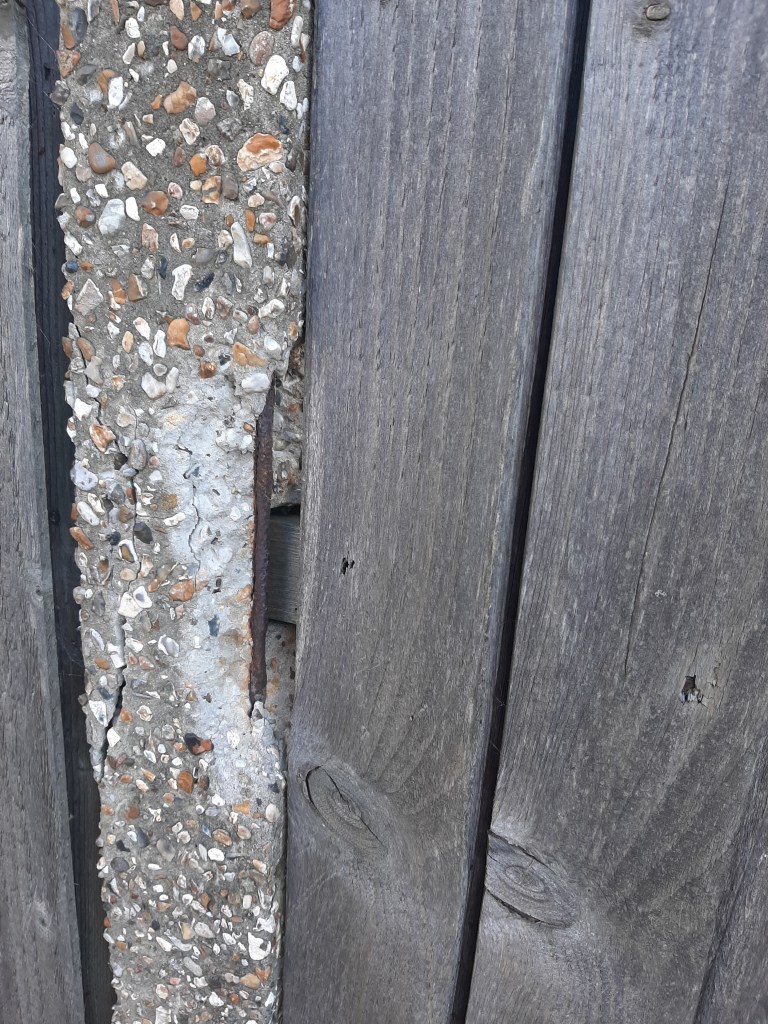
Dezeen ran an article on 24th August stating that “Concrete construction “offsets around one half” of carbonate emissions from cement industry says IPCC“. As a durability specialist I spend my days designing and specifying concrete to resist carbonation as the process can lead to the corrosion of reinforcement and spalling of concrete (as my fence posts play testament to) so I’m always a bit concerned when this argument is used in favour of concrete.

The following week Dezeen ran another article “Cement and concrete “are not carbon sinks” says Cambridge materials scientist”. The Academic taking on the Lydia Murdock role said that he was frustrated by. the IPCC Report because concrete only absorbs a fraction of the total CO2 produced by cement. The IPCC put it at 50% (i.e. 1/2 – definitely a fraction). while the Cambridge academic said it was only 25% i.e. 1/4 (definitely another fraction). He argued concrete was not a carbon sink because it did not reabsorb all its carbon and instead we should be using more timber or plant based material. Cement after all is responsible for 8% of all CO2 emissions.

As I said, I have some disquiet about the argument of carbonation being good, but I vehemently disagree with the concrete being bad and wood is good mantra. Wood at best, to my mind, is a temporary store of carbon, because at the end of its life it will be burnt or rot and release all that captured carbon back into the atmosphere. Not to mention all the land that would need to be put over to tree production to even remotely get close to the sort of levels of production needed to replace the ubiquitous concrete and also forgetting the inability of timber to replace many of concrete’s applications (wooden roads anybody? Or tunnels? Or runways? Or crash barriers?). Concrete’s problem is that it is so successful. It is strong, durable, fire resistant, cheap, locally available; in short, sustainable. It’s huge emissions are due to it’s extensive use. We all by now must have heard the fact that concrete is the second most widely used material after water. So what is water’s carbon footprint? After all it needs to be captured cleaned, stored, pumped, treated etc. The River Network published a report in 2009 that said:

Through our analysis of primary and secondary research, we estimate that U.S. water-related energy use is at least 521 million MWh a year—equivalent to 13% of the nation’s electricity consumption. While this appears to be a conservative estimate of water-related energy use, our findings suggest that the carbon footprint currently associated with moving, treating and heating water in the U.S. is at least 290 million metric tons a year. The CO2 embedded in the nation’s water represents 5% of all U.S. carbon emissions and is equivalent to the emissions of over 62 coal fired power plants.

River Network

Does anybody seriously suggest we stop using water because of its huge carbon footprint? Ofcourse not. Sure, we can use less, we can find more efficient ways to treat it, heat it, transport it but we will always use it and there will probably be a large carbon cost involved. Concrete is in a similar position to water but to my mind has a more realistic chance of being carbon neutral or even becoming a carbon sink. Carbon capture technologies are being developed and if we can get them to work effectively, capture the carbon used in production, then whether the carbonation process captures 25 or 50%, concrete will become a genuine carbon sink and will be able to capture all that carbon being released by rotting and burning timber that had been naively used as the answer to climate change.

Carbon capture at work!

Aggregation of Sustainable Gains

It’s a cold day.  You’re out for a walk, hands thrust deep in your pockets, protecting them against the bitter wind. On the path ahead of you something glittering catches your attention.  On closer inspection you see that it’s only a penny coin.  Do you pick it up and pocket it? More likely you’ll carry on walking, thinking you don’t know where that coin has been, it’s so cold you don’t want to take your hands out of your pockets and anyway, it’s virtually worthless, you can’t buy anything with it.

If it was a pound coin you might have picked it up.  If it wasn’t glinting but a rustling £20 note you almost certainly would have bent down and grabbed it and thought today was your lucky day.  In 2003, one man who did metaphorically pickup that 1p coin was Dave Brailsford and he used it to transform British cycling.  Since the start of the modern Olympics in 1908, Britain had won one solitary gold medal in cycling and our record was even worse in the most prestigious cycling race in the world, The Tour de France, which had never been won by a British cyclist in over 100 years of trying.

One penny is 1% of one pound.  Dave Brailsford the newly appointed coach of British Cycling and his team broke down everything you could think of that goes into riding a bike, and then set out to improve it by 1 percent.  Bike seats were redesigned, fabrics that were used for cycling jerseys were tested in wind tunnels even different massage oils were evaluated to see which gave the best performance. Within 5 years of starting this process that Brailsford called the “Aggregation of Marginal Gains”, the British team were dominating cycling.  In the 2008 Olympics the British team won 60% of the gold medals available, in London 2012 the did even better winning 16 gold medals across the Olympic and Paralympic Games, setting seven world records in the process.  The following year Bradley Wiggins won Britain’s first Tour de France and with Chris Froome and their Sky Team colleagues went on to dominate, winning 5 out of 6 Tours.

We are trying to harness this concept at work and apply it to sustainability of our projects.  Throughout the design process we will be looking for those small marginal gains (as well as big ones).  Whether it’s making a saving in the size of an element or reusing some existing foundations instead of building new ones, or increasing the slag content in concrete, or reducing the reinforcement by reviewing crack widths.  Imagine what a difference we could make if we can be as successful as the cyclists.  To help embed this practice in our work, we are developing a dashboard to help quantify and share some of these improvements.  Initiatives will be peer reviewed within the app and prizes will be awarded.

By aggregating our sustainable gains we may not win any gold medals, but our eyes are set on a bigger prize – net zero.  If we hit that target, we will all be winners.

Jackhammer not Jackboot needed

Okay, so I have a reputation of defending all things concrete, but sometimes you wish that the
material was not so durable and capable of withstanding the ravages of mother nature, instead like a sandcastle on a beach, it would be nice if it could get easily washed away.

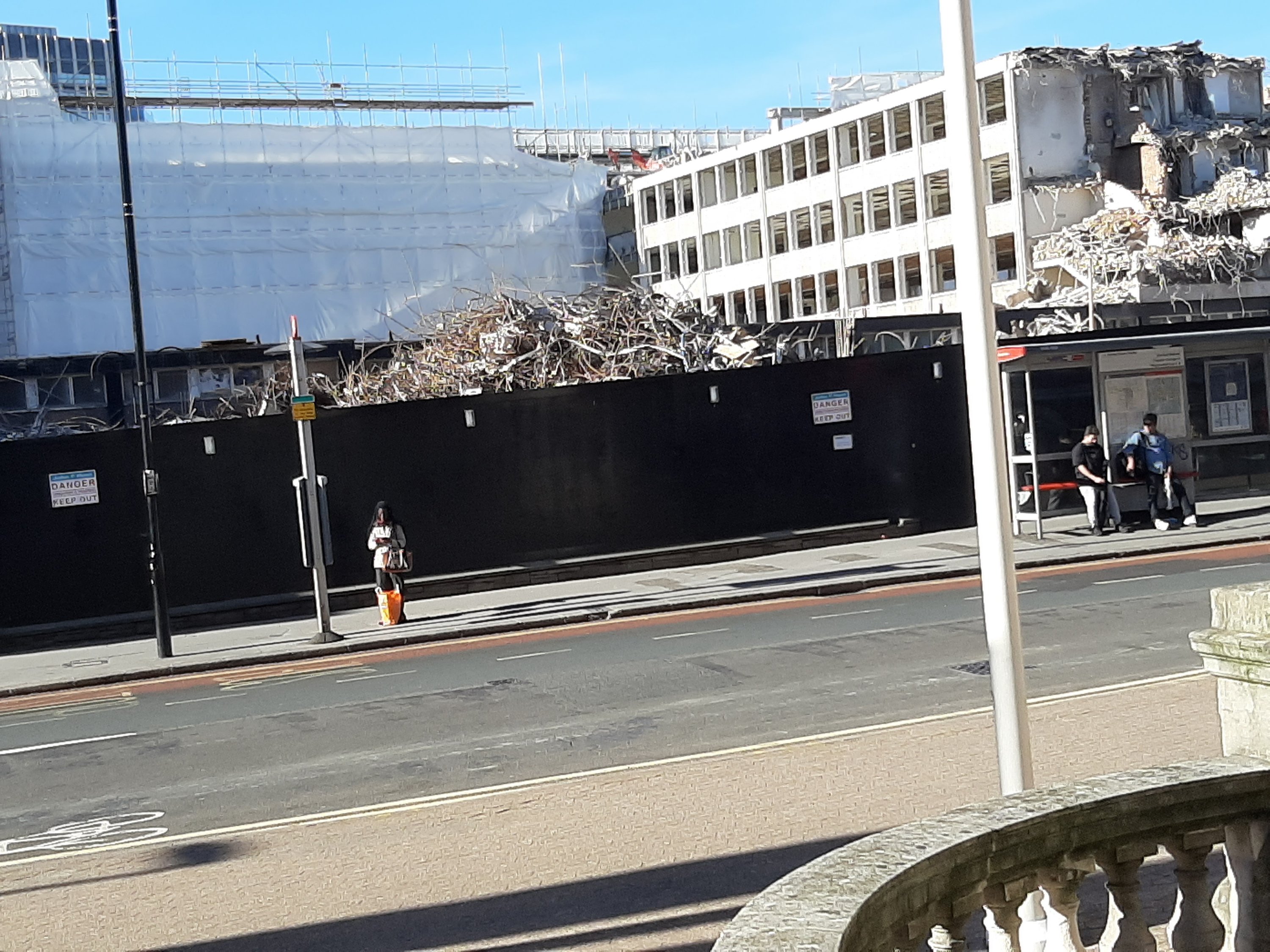
A Croydon office being recycled

Clearly, you can recycle concrete and I’ve worked on a number of projects where we have looked to
turn old concrete structures or elements into crushed concrete aggregate (as it is called in BS 8500,
the UK British Standard for concrete). CCA can be reused in concrete as a replacement for natural aggregate. When concrete is part of general demolition waste and may be contaminated with other materials like bricks or plasterboard (the latter being a particular problem because excess gypsum disagrees with concrete) then its reuse is probably best left to low-tech applications like fill or hardcore.

However, having read of a recent landscaping scheme by a Mr Steven Johnson of El Sobrante, California, I cannot wait to see this particular use of concrete be subjected to a pneumatic drill and be smashed into oblivion or better still into CCA so that something positive can be crafted out of Mr Johnson’s monstrosity.

I am sure that like me, those of you that have seen or heard the coverage of the 75th anniversary of the D-Day landings in northern France will have found it moving and poignant. Yet, while we were marvelling at the tales of bravery of those once young men storming the Normandy beaches, Mr Johnson
decided that this was a good time to unveil a 3x3m concrete swastika in his front garden.

Mr Johnson’s garden “improvements”

Apparently, he thinks it looks “cool”; he likes swastikas and to him they symbolise “peace tranquillity and harmony”. Try telling that to those surviving veterans that saw their mates cut down in a hail of bullets.
Let’s hope that Mr Johnson soon sees sense and removes this offensive symbol. I’m sure he’ll find many volunteers to help him turn it into a pile of CCA. Now where did I leave my grading sieves……

Wood you believe it?

Oh dear, the New Scientist is the latest publication to fall under the spell of ‘timber can save the
world’ mantra by replacing the evil that is concrete (The New Age of Wood, 16th March 2019).

The article argues that we live in the “hydrocarbon age” which makes possible the materials that ‘define our
civilisation: steel, concrete and plastic’. It goes on to claim that “everything that is made from fossil-based materials today, can be made from a tree tomorrow’. While some examples are obvious, e.g. timber buildings, others require new technologies. Apparently, a timber ‘tougher and stronger’ than
high performance steel can be made from soft wood. Obviously, it must be processed first, which involves ‘chemically removing half of the lignin then brutally compressing what is left at high temperature’. No mention is made of how much carbon is emitted in this process. I wonder what
solution they will claim can replace concrete paving or asphalt roads. Perhaps they’ll transform
timber decking into something that can survive being run over by all the articulated lorries that will
be needed to haul all that imported timber and timber products around the country. Better hope it doesn’t rain, it might get a bit slippery!

I have rehearsed the arguments about the carbon content of concrete before and how it is a victim
of its own success and talked about the disadvantages of CLT, e.g. the poor acoustic qualities that required a school to ban pupils from talking in the corridors and the peeling layers that
means it can add fuel to a fire.

Let’s consider some of the other issues that get glossed over.
Where are you going to put all these trees? Has anybody worked out how many trees would need
to be planted to replace all concrete, steel and plastic and would there be any land left over to
provide food for the world’s growing population or house them?

Apparently, one cubic metre of timber stores one tonne of CO2, which contrasts positively to
cement where one tonne of cement creates getting on for one tonne of CO2. However, concrete is a
low carbon material because not much cement is used in its production (and that cement is often partly replaced by low CO2 products like slag and fly ash). What happens at the end of life? The timber will probably be burnt to produce energy also known as releasing all that stored CO2 back into the atmosphere. So, when the New Scientist claim “switching to timber would immediately wipe a billion tonnes off global carbon emissions”, what they fail to add is that in 50-100 years time much of it will still end up in the atmosphere. Concrete by contrast, reabsorbs CO2 throughout its life by a
process of carbonation. At the end of its life, if it is crushed up to produce recycled aggregate, the
increase in surface area of the particles will accelerate the carbonation, increasing the amount of
reabsorbed CO2.

Don’t get me wrong, I’m not saying don’t use timber, or develop new technologies. What I am
saying is that concrete is a wonderfully adaptable, durable, cheap and locally available product. Let’s
look at ways to improve further the sustainability of concrete, e.g. by sequestration of CO2, rather
than trying to create a concrete-free fantasy land.

What has limestone ever done for us?

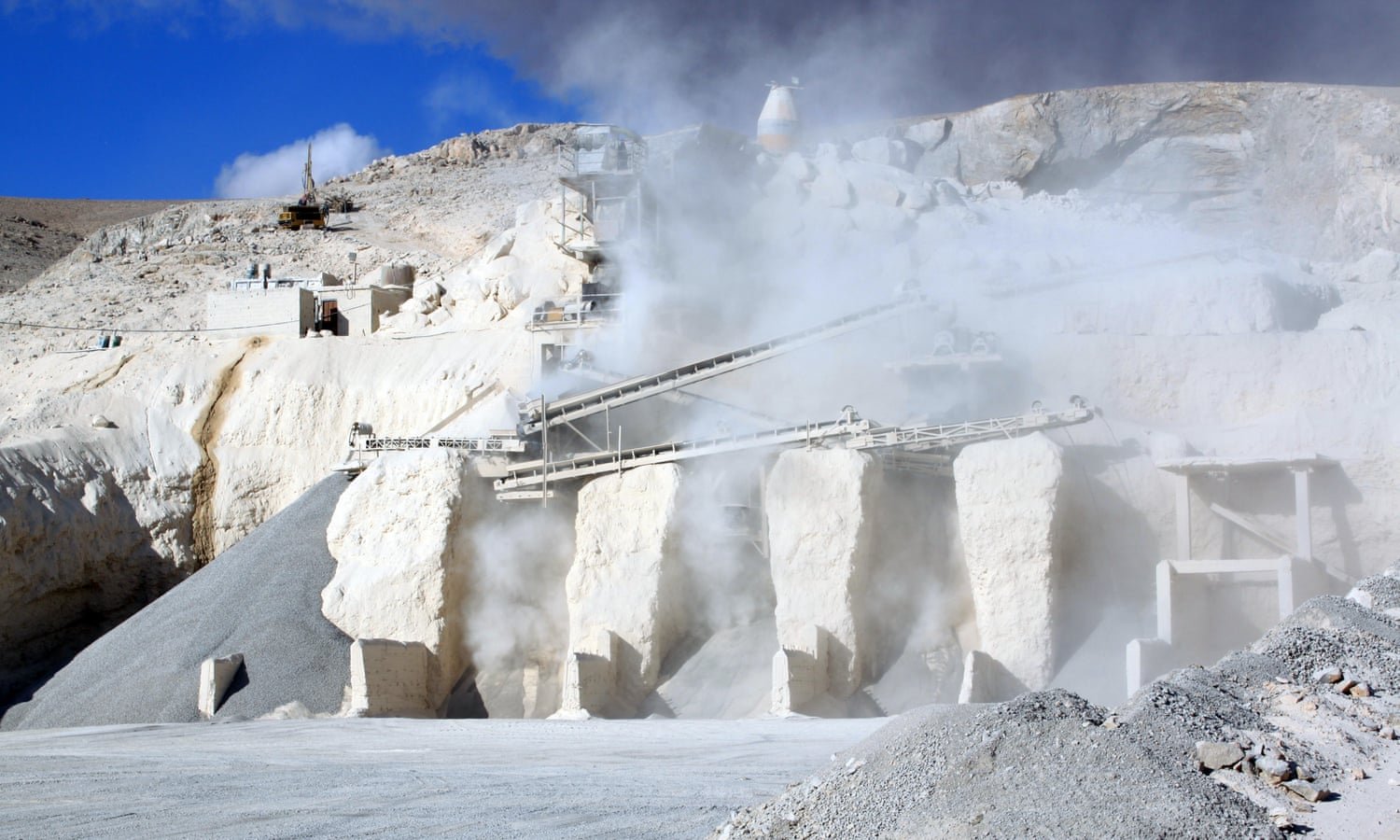
It is strange that in an article condemning the so called “destructive impact of concrete”, the Guardian choses to illustrate it with the image of a limestone quarry rather than a cement factory or a concrete plant.

Is it because the modern production facilities do not present the negative image they are looking for?

Hope cement works

I mean apart from being a key ingredient in cement and the building blocks of many outstanding structures, why do we create this dust and scar the landscape?

According to the great (but not infallible) source, Wikipedia, limestone also has the following uses:

  • It is the raw material for the manufacture of quicklime (calcium oxide) and slaked lime (calcium hydroxide).
  • Pulverized limestone is used as a soil conditioner to neutralize acidic soils (agricultural lime).
  • It is the raw material for the manufacture of quicklime (calcium oxide) and slaked lime (calcium hydroxide).
  • Pulverized limestone is used as a soil conditioner to neutralize acidic soils (agricultural lime).
  • As a reagent in flue-gas desulfurization (it reacts with sulfur dioxide for air pollution control).
  • Glass making, in some circumstances, uses limestone.
  • It is added to toothpaste, paper, plastics, paint, tiles, and other materials as both white pigment and a cheap filler.
  • It can suppress methane explosions in underground coal mines.
  • Purified, it is added to bread and cereals as a source of calcium.
  • Calcium levels in livestock feed are supplemented with it
  • It can be used for remineralizing and increasing the alkalinity of purified water to prevent pipe corrosion and to restore essential nutrient levels.
  • Used in blast furnaces, limestone binds with silica and other impurities to remove them from the iron.
  • It is used in sculptures because of its suitability for carving.

I am sure you could come up with a lot more.

How do I sleep at night?

That was the question asked of me by a colleague, followed by a clicking sound as his tongue was extracted from his cheek, where it had been firmly planted. He had just read the Guardian article “Concrete – the most destructive material on earth”. The piece was a literary assault on the ubiquitous construction material written with such venom (even by the standard of that newspaper, which often has a very myopic view of the world) that had it been written about an individual rather than a defenceless material, libel lawyers around the land would be rubbing their hands in anticipation of the fat fees they would earn.

I must be a Carbon Criminal in the eyes of the Guardian, having spent my whole career working in different parts of the Concrete Industry. Concrete is blamed for everything from supporting corrupt governments to causing global warming or supporting organised crime. I have been toying with the idea of a blog on concrete for sometime and this article has been the catalyst I needed. It looks like the Guardian is going to have a sustained attack on concrete as they are promoting Guardian concrete week which will investigate the “shocking impact” the material has on the modern world”

It’s true that cement is an energy intensive material to produce and often bandied about is the statistic that each tonne of CEM I (aka ordinary Portland cement) generates one tonne of carbon dioxide during its production (the figure is actually less than that). But let’s not forget cement is not concrete; the two words often get mixed up and used incorrectly. The Guardian article falls into this trap when it talks about digging a hole and filling it with cement, but they are not alone.

Dan Brown got it wrong so many times in the Da Vinci Code sequel Angels and Demons that it spoilt the book for me. It was not a “huge cement bulwark thick enough to ward off attacks even by tanks”; it was concrete. And Ian MacMillan, who wrote in Neither Nowt Nor Summat, that his “Uncle Charlie and his son Little Charlie made sure they drew their initials in the cement when they built their new garage in the back garden of 34 North Street in 1963”. Uncle Charlie and his son little Charlie either wrote their initials in the concrete floor or the mortar between the bricks in the wall. They almost certainly didn’t write it in the cement (a fine grey powder that’s used to make concrete and mortar) and if they did it would have been blown away with the first gust of wind. This is simply WRONG and is equivalent to Mary Berry eulogizing about a delicate carrot flour with a scrumptious flavour on The Great British Bake Off? Flour is a powder used to make cakes; cement is a powder used to produce concrete.

The fact is that not very much cement is used in concrete, the rest of the materials (aggregate, water, admixtures and supplementary cementitious materials like ground granulated blastfurnace slag and fly ash) are typically extremely low carbon materials, so that a tonne of concrete of the type often used in foundations can have an embodied carbon dioxide content well below 100kg per tonne rather than 1000kg.

As the article points out, concrete is the second most widely consumed material in the world (after water). It can be aesthetically beautiful, it can be ugly. The fact is that without concrete our health and education would be poorer. In fact without concrete, we wouldn’t have the transport infrastructure allowing those papers to be distributed or the journalists to get to work, or the office blocks they work in, or the buildings to house the printing presses, or the shops to sell the papers in, or the electricity to run their laptops or, or, or…. (the list is endless) but in short, there would be no Guardian newspaper.

Coal, oil and gas produce more CO2 than concrete (but are used in much lower volumes), concrete has much lower CO2 content on a weight by weight basis than steel, asphalt and plasterboard. Concrete is a low carbon material and it is a victim of its own success. It is widely used because it is durable and cheap.

The article is light on suggested alternatives to concrete. Cross laminated timber is one suggestion. Obviously not suited for most of the applications that concrete is put to, it can be used for the walls of buildings. I am a governor of a school in west London, that despite my best efforts, was built in CLT. It looks attractive but there’s one big problem. The noise! CLT, unlike concrete, does not absorb noise and it was impossible to use the classrooms when there was any chatter in the corridors as pupils moved between classrooms. By necessity, the school had to implement a silence in the corridors policy.

Concrete also has inherent fire resistance unlike timber. The CLT industry has argued that you do not need to worry about fire in CLT buldings, because when they start to burn, the timber chars, effectively producing an inflammable surface on the CLT. While this may be true for solid timber, CLT is built up in layers and recent work has shown that the layers can peel providing additional fuel for the fire. In the post-Grenfell era, do we really want to promote timber housing with question marks over its safety?

Don’t get me wrong, I think the cement industry could still make giant leaps at improving the sustainability of its product. CO2 sequestration is one area to be more seriously addressed but the concrete industry is already doing a lot of good work. The UK concrete industry diverts over five million tonnes of material from external waste streams and uses them in place of primary materials. In 2014 it used 107 times more waste than it sent to landfill.

Despite the Guardian’s outpouring on concrete, to quote one of their other bête noire’s, the late Lady Thatcher,

“There is no alternative”